



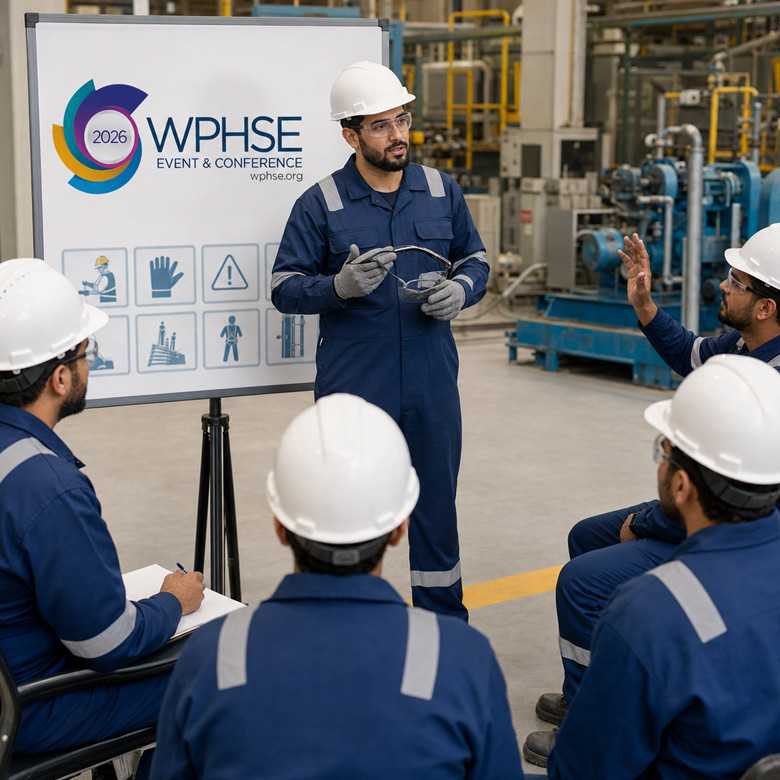
The Importance of Continuous Training in Reinforcing Safe Behaviors Within Organizations
A safe workplace begins with knowledge, but it is only complete when that knowledge becomes a daily behavior consistently practiced by employees under different circumstances. This is where continuous training plays a central role. It goes beyond simply introducing employees to safety instructions; it helps them understand risks, make the right decisions, and respond with confidence when unexpected situations arise.
As work environments change, equipment and technologies evolve, and new hazards emerge, organizations can no longer rely on one-time training provided only when an employee first joins. They need ongoing training programs that maintain workforce readiness and connect safety requirements directly to the actual tasks employees perform.
Continuous Training Goes Beyond Delivering Information
Employees may understand safety rules in theory, yet still overlook them under work pressure, because of routine habits, or due to overconfidence. Continuous training therefore focuses on turning instructions into clear practices that can be applied easily in the workplace.
When training scenarios are repeated in a structured and purposeful way, checking protective equipment, reporting hazards, following operating procedures, and stopping work when a danger is identified become natural parts of everyday performance rather than temporary responses to management instructions.
Keeping Pace with Workplace Risks and Changes
Workplace risks do not remain static. New equipment may be introduced, operating procedures may change, and new materials or technologies may be adopted. Expansion projects, workforce changes, and system updates can also create new training needs.
Periodic training helps employees understand these changes before they begin working with them, explains the associated risks, and clarifies the appropriate control measures. In this way, the organization moves from reacting to problems after they occur to preparing for them in advance and reducing the likelihood of incidents.
Strengthening the Ability to Identify Hazards
One of the most important outcomes of effective training is improving an employee’s ability to recognize hazards before they develop into incidents. A well-trained worker can identify unsafe behavior, equipment defects, poor workplace organization, or incorrect use of protective equipment.
This awareness should not be limited to safety personnel. It should extend across the entire workforce. The more actively employees participate in identifying and reporting hazards, the more safety becomes a shared responsibility across departments and job levels.
Practical Training Has a Greater Impact
Training becomes more effective when it is connected to real workplace situations. Classroom sessions are important for introducing key concepts, but they should be supported by practical exercises, simulations, and case studies that help participants understand how to respond in actual situations.
Training programs may include evacuation and emergency response drills, fire safety, first aid, use of personal protective equipment, working at height or in confined spaces, and isolation and lockout procedures, depending on the nature of each organization.
These exercises give employees the opportunity to apply procedures, identify weaknesses, and correct mistakes in a safe environment before facing a real emergency.
Building Confidence and Improving Response Time
During emergencies, hesitation or confusion can increase the level of risk. Repeated training helps reduce this uncertainty by ensuring that every individual understands their role, responsibilities, evacuation routes, communication methods, and the procedures they are expected to follow.
The more employees practice these scenarios in an organized manner, the better they are able to respond calmly and quickly, and the clearer coordination between teams becomes. Management can also evaluate the effectiveness of emergency plans and update them based on the actual outcomes of drills.
The Role of Leadership in Training Success
Training will not achieve its intended impact if management treats it as a routine formality. Employees need to see genuine commitment from leaders and supervisors, whether through attending training programs, allocating sufficient time and resources, or following up on how learning is applied in practice.
When managers follow safety rules themselves and encourage employees to speak openly about hazards without fear, they send a clear message that protecting people takes priority over speed of completion. This builds trust, increases participation, and strengthens the relationship between operational teams and safety management.
Designing Training Around Real Needs
A single training program does not suit every employee. The needs of a new employee differ from those of an experienced professional, just as the requirements of a field worker differ from those of a supervisor or administrative manager.
Successful training programs therefore begin with an analysis of job roles, hazards, current knowledge levels, previous incidents, and safety observations. Based on this analysis, training can be divided into different levels and pathways tailored to the responsibilities of each group.
Sessions should also be focused and easy to understand, using clear language and examples drawn from the actual workplace while taking into account employees’ different educational and linguistic backgrounds.
Making Use of Modern Technologies
Digital technologies offer more flexible ways to deliver training, including e-learning platforms, short videos, interactive assessments, mobile applications, and virtual and augmented reality.
These tools can be used to simulate hazardous environments without exposing participants to real risk, allow content to be reviewed whenever needed, and track each employee’s progress. However, field-based exercises and direct discussions remain essential to ensure that employees can apply their knowledge effectively in real workplace settings.
Measuring the Impact of Training on Behavior
The success of training should not be measured only by attendance numbers or certificates issued. The real measure is the change it creates in behavior and the level of compliance within the workplace.
This impact can be monitored through field observations, inspection results, hazard reporting rates, emergency drill performance, and compliance with the use of personal protective equipment and operating procedures.
Employee feedback also helps identify areas that need to be simplified or updated and highlights which training activities have delivered the clearest practical impact.
Steps for Building a Continuous Training Program
Organizations can develop an effective program through a number of essential steps:
- Identify the hazards and skills required for each job.
- Develop an annual training plan aligned with operational needs.
- Provide induction training before employees begin their duties.
- Conduct short refresher sessions on a regular basis.
- Use realistic scenarios and practical exercises.
- Involve supervisors and leaders in delivering the program.
- Measure changes in performance and behavior after training.
- Review training content whenever equipment or procedures change.
- Document results and learn from previous observations and incidents.
- Recognize positive behavior and encourage knowledge sharing.
Training as an Investment in Organizational Sustainability
Continuous training helps protect employees, reduce errors, improve operational quality, and strengthen emergency preparedness. It also reinforces employees’ sense of value, because an organization’s commitment to developing their skills reflects genuine concern for their health and safety.
A strong safety culture is not created through policies and signs alone. It is built through continuous learning, committed leadership, and active participation from everyone in the organization. Every successful training session is another step toward a workplace where safe behavior becomes a conscious choice, a consistent practice, and an integral part of the organization’s identity.