

Saudi innovation: smart wristband designed to continuously monitor workers’ heat stress
Innovator: Razan Alrashidi
More than 2.4 billion workers worldwide are exposed to heat stress risks every year, resulting in an estimated 22.8 million occupational injuries and thousands of deaths annually, according to a report by the International Labour Organization. These risks are especially pressing in the construction, industrial, and energy sectors, where workers spend long hours under direct sun or in high-heat, high-humidity sites — from construction sites, refineries, and petrochemical plants to steel and iron manufacturing facilities near high-heat sources. This challenge extends well beyond the workplace, emerging on a larger scale during major gatherings such as Hajj. In the 2024 Hajj, temperatures reached 51.8°C at the Grand Mosque, with Saudi authorities officially reporting 1,301 heat-related deaths, most among unauthorized pilgrims who lacked access to cooling facilities. Saudi authorities have since strengthened efforts to protect pilgrims from heat risks, and early indicators from the 2025 Hajj show a decline in heat-related deaths compared to the previous year, underscoring the value of continued investment in technology-driven solutions that support these efforts.
The Risk of Heat Stress in the Workplace
Heat stress symptoms often develop gradually, starting with fatigue and dizziness and potentially progressing to heat stroke, without being noticed by the worker or supervisor in time. Occupational health and safety specialists also face challenges monitoring each worker’s condition individually and continuously, particularly on large sites or those with high worker density across scattered shifts and locations. This monitoring gap carries real health and economic costs, including reduced productivity, higher injury rates, and increased absenteeism.
A Technology-Driven Solution That Monitors and Alerts Before Risk Escalates
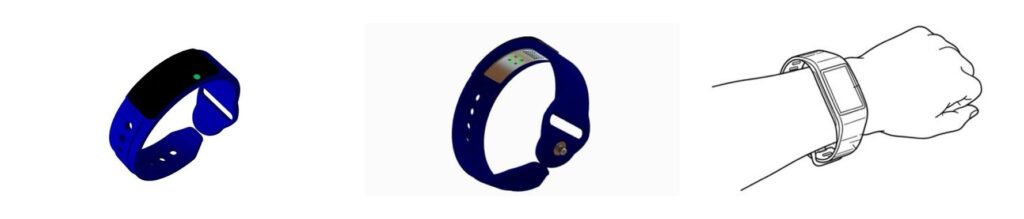
This Saudi innovation is a smart wristband designed to continuously monitor workers’ heat stress in real time. The wristband measures a range of environmental and biometric indicators related to heat stress and transmits the data to a dedicated application for occupational health and safety specialists, enabling them to analyze each worker’s condition and anticipate risks before they escalate, rather than relying on manual observation or reacting after an incident occurs.
A Design Built for Industrial Work Environments
The wristband is built to withstand demanding field conditions, with resistance to water, dust, and oils, making it suitable for use on construction sites, refineries, power plants, and other exposed industrial environments. Its design also prioritizes a lightweight, comfortable fit for extended wear throughout work shifts, and compatibility with other personal protective equipment, without hindering the worker’s movement or task performance.
A Digital Health Record for Every Worker
The wristband functions as an individual digital health record for each worker, building a personal data profile over time that supports more informed decisions on work-rest scheduling in hot conditions and gives the organization a comprehensive view of risk levels across its various sites.
The device also sends proactive visual and vibration alerts directly to the worker as risk indicators rise, allowing for early rest or assistance requests, while simultaneously notifying supervisors through the application to take timely, appropriate action.
Supporting Organization-Wide Safety Programs
Beyond individual monitoring, the wristband helps strengthen the overall safety culture within an organization by providing documented data that supports heat-illness prevention programs and helps evaluate the effectiveness of rest and site-cooling measures. Organizations can adopt the product through defined pilot programs, measuring its impact on heat-related injury rates and absenteeism before wider rollout across field teams.
Global Standards and Institutional Recognition
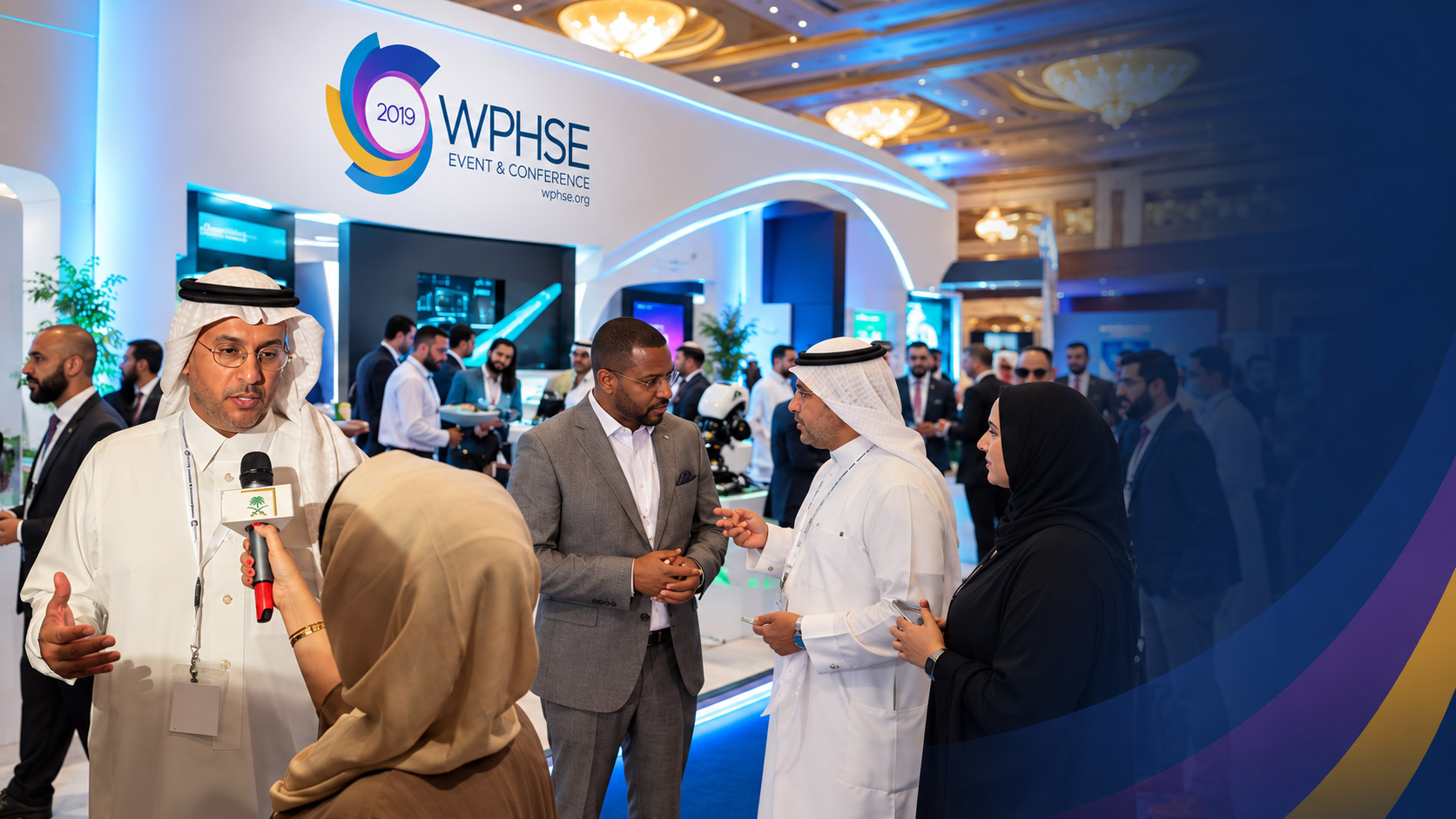
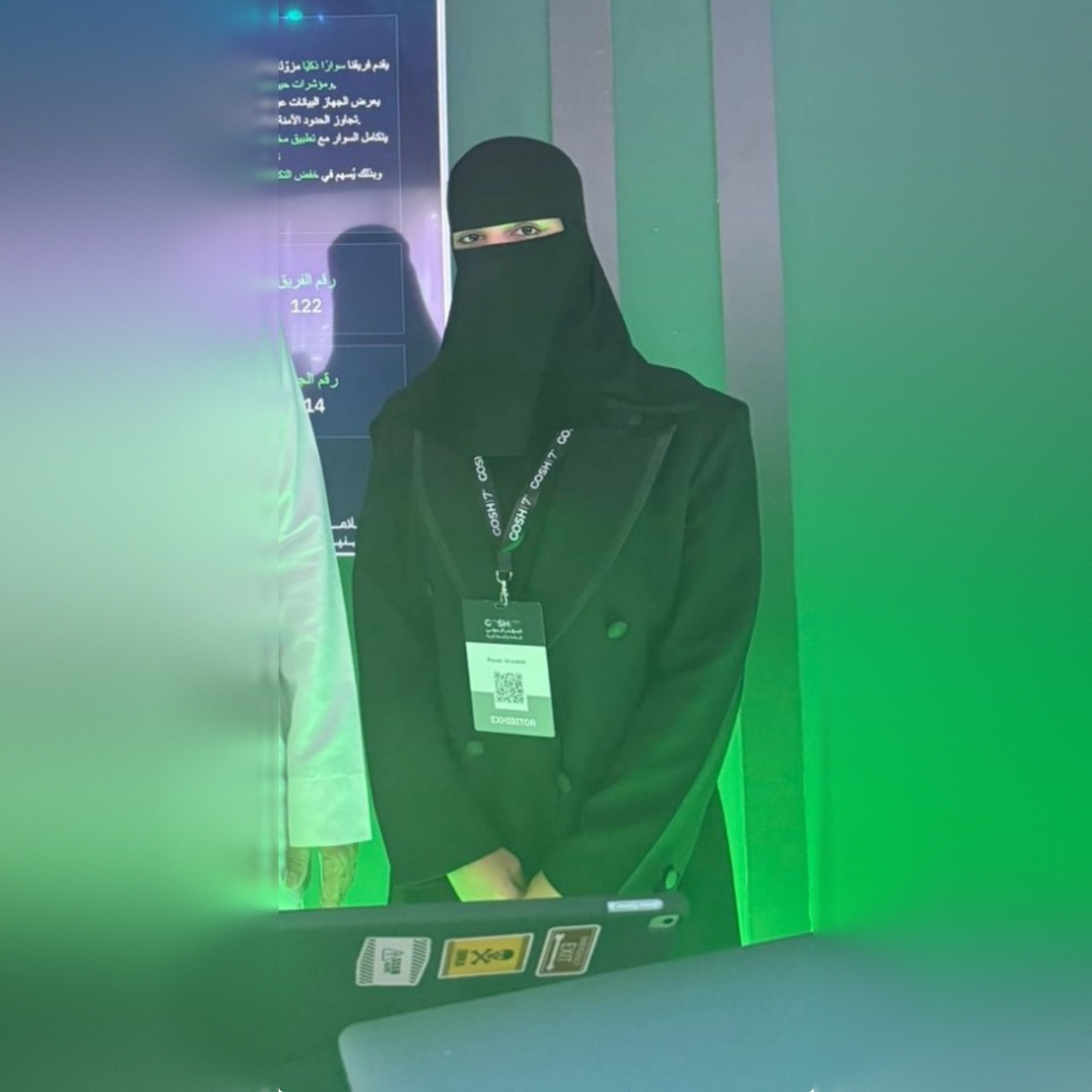
The wristband is designed with reference to occupational health and safety principles promoted by leading international bodies, including the U.S. Occupational Safety and Health Administration (OSHA), the American Conference of Governmental Industrial Hygienists (ACGIH), and professional institutions such as the Institution of Occupational Safety and Health (IOSH). The innovation was discussed and recognized at GOSH7 (the 7th Global Occupational Safety and Health Conference) held in Riyadh, and was also presented directly to H.E. the Minister of Human Resources and Social Development, Eng. Ahmad Al-Rajhi, Chairman of the National Council for Occupational Safety and Health. The innovation also received local media attention, with the Saudi platform “Ahdath Al-Saudia” featuring an interview discussing the product and its details.
Value Beyond Technical Monitoring
This innovation carries value beyond its technical function, contributing to the localization of occupational safety technology and supporting sustainability goals by protecting human capital in vital sectors. It also represents a shift in the concept of occupational safety — from treating heat stress reactively after it occurs, to a proactive approach that prevents it from happening in the first place. This value translates into direct, measurable impact for organizations: fewer heat-related incidents and injuries, reduced cases of occupational disability, and lower costs associated with treatment, compensation, and work stoppages.
A Saudi Innovation Protecting Workers in Hot Work Environments
This innovation reflects the capacity of Saudi solutions to address real challenges in industrial and construction work environments. It combines worker health protection with data-driven decision-making for occupational safety specialists, supporting safer and more sustainable workplaces in hot-climate regions. The wristband remains part of a broader safety system that includes training, safe work procedures, risk assessment, personal protective equipment, and each organization’s approved safety requirements.